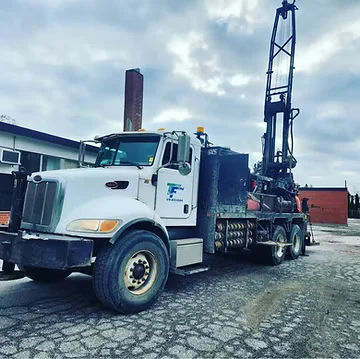
Excess soil is no longer something you deal with when the trucks show up. Testing, registration, and a destination all need to be arranged before excavation starts.
For a long time, excess soil in Ontario was a logistics problem. You dug it, you found somewhere to put it, and the cost was measured in truck loads.
That changed with O. Reg. 406/19, the On-Site and Excess Soil Management regulation under the Environmental Protection Act. Excess soil is now a regulated material with testing requirements, a tracking system, and rules about where it can go. The testing, tracking, and registration provisions came into force on 1 January 2023, after an implementation delay, and the regulation was amended again in April 2024.
If you are planning a project that will generate excess soil, here is what needs to happen before the excavator arrives.
Understand what counts as excess soil
Excess soil is soil, or soil mixed with rock, excavated as part of a project and taken off the project area. It does not matter whether the soil is clean. The regulation applies based on the project and the volume, not on whether contamination is suspected.
The assessment work comes first
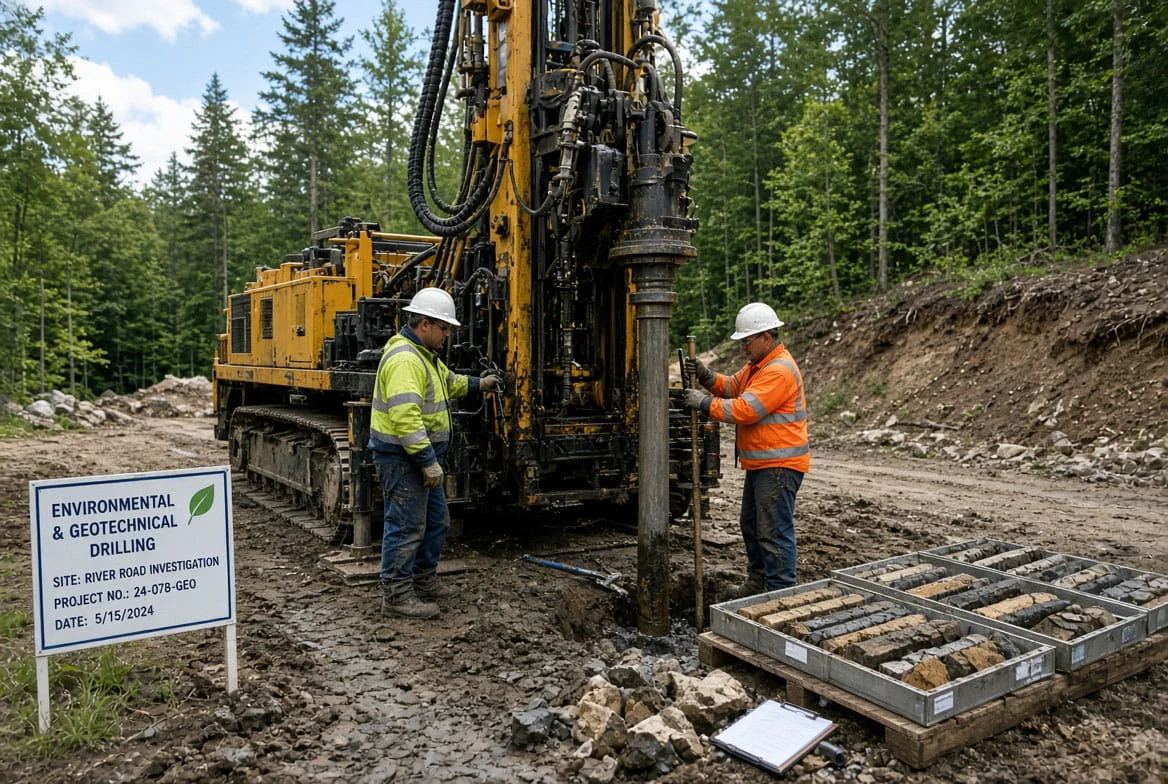
Before soil leaves a regulated project area, the regulation requires an assessment of past uses of the site, sampling and analysis of the soil, and a soil characterisation report. There is also a destination assessment for wherever the soil is going.
The sampling is not open-ended. The regulation prescribes a minimum number of samples based on the volume of soil, and a minimum list of analytical parameters. Leachate analysis is required for some projects, though small-volume projects below the prescribed threshold are exempt from it.
This work has to be planned into your schedule. Laboratory turnaround alone is typically a week or more, and it is not something you want to be waiting on with an excavator mobilised.
Registration and tracking
Project leaders on regulated projects must file a notice in the Excess Soil Registry, operated by the Resource Productivity and Recovery Authority, before excess soil is removed from the project area. The notice covers the project, the soil, and the intended reuse sites, and it has to be kept current.
Hauling is then tracked so that soil arrives where it was supposed to arrive. The intent of the whole system is that clean soil gets reused rather than landfilled, and that impacted soil does not quietly end up on a farm field.
Reuse is the point
The regulation is built to encourage beneficial reuse. Soil that meets the applicable quality standards for a receiving site can be placed there rather than sent to a landfill, and reuse is usually the cheaper option once haul distance is taken into account.
Restrictions on landfilling soil that could have been reused are scheduled to come into force on 1 January 2027, which will push the economics further in the same direction.
Reuse on the project site itself avoids most of this entirely — soil that never leaves the project area is not excess soil. Where a site has the space and the grading tolerance, on-site reuse is worth engineering into the design rather than treating as a happy accident.
Practical planning points
Sample early. Characterisation results shape everything downstream. Get the soil tested while the design is still flexible enough to react to the results.
Line up destinations before you dig. A reuse site with capacity and matching quality standards is a scarce resource. Finding one mid-excavation is expensive.
Keep the paperwork with the project. Soil characterisation reports, registry filings, and haul records are the evidence that the work was done properly. They should live with the project file, not in a folder on one person’s laptop.
Budget realistically. Testing, registry administration, and longer haul distances to compliant destinations all cost money. Projects that budgeted for the pre-regulation world tend to have an unpleasant surprise.
Where we fit
We handle the excavation and earthmoving side of these projects, and the soil and groundwater remediation work where the soil is impacted rather than clean. On the drilling side, the investigation that characterises the soil in the first place is environmental drilling work.
If you have a project coming up and want the soil side scoped properly, get in touch.
This article is general information about the regulatory framework, not legal or regulatory advice. Refer to the current version of O. Reg. 406/19 and the associated Rules for Soil Management and Excess Soil Quality Standards, and consult your environmental consultant for project-specific requirements.